
Education is one of the most important pillars of social and economic development, creating a continuous need for qualified, skilled, and professionally trained teachers. As schools, colleges, educational institutions, coaching centers, and digital learning platforms expand, teaching has become a career that offers both professional stability and opportunities for long-term growth. A B.Ed. program provides the academic foundation, practical training, and pedagogical knowledge required for individuals who want to build a career in teaching and education.
For graduates who have a genuine interest in teaching, communication, child development, curriculum planning, and academic management, a Bachelor of Education can open multiple career pathways. The qualification is not limited to traditional classroom teaching. Depending on experience, specialization, skills, and further education, graduates can move into educational administration, curriculum development, academic coordination, instructional design, educational consulting, and other related fields.
What Is a Bachelor of Education?
A Bachelor of Education, commonly known as a B.Ed., is a professional teacher-training degree designed to prepare candidates for careers in the education sector. The program focuses on both theoretical understanding and practical teaching skills.
Students generally study areas such as educational psychology, teaching methodologies, curriculum development, classroom management, assessment techniques, educational technology, inclusive education, and child development. Practical components such as teaching practice, school internships, lesson planning, and classroom observation help students understand how educational concepts are applied in real teaching environments.
The degree is particularly valuable because effective teaching requires more than subject knowledge. Teachers need to understand how students learn, how different learners respond to teaching methods, how classrooms can be managed effectively, and how learning outcomes can be evaluated.

Who Can Pursue a B.Ed Degree?
Eligibility requirements can vary according to the institution, university, and applicable education regulations. Generally, candidates who have completed an undergraduate degree from a recognized institution can apply for B.Ed admission, subject to the required academic criteria.
Graduates from disciplines such as arts, commerce, science, humanities, and other recognized fields may pursue teacher education. The subject studied at graduation can also influence the teaching subject or specialization a candidate chooses.
Before applying, prospective students should carefully review the admission requirements of their preferred institution, including academic qualifications, minimum marks, entrance examination requirements, and other applicable conditions.
What Do Students Learn During B.Ed?
A teacher-training curriculum generally combines educational theory with practical experience. The academic structure can differ between universities, but several important areas are commonly covered.
Educational Psychology
Educational psychology helps future teachers understand how students develop, learn, think, communicate, and respond to different classroom environments. Understanding individual differences enables teachers to create more effective learning experiences.
Teaching Methodology
Teaching methodology introduces students to different approaches for explaining concepts, organizing classroom activities, encouraging participation, and evaluating learning. Future teachers learn how to adapt teaching methods according to the age, ability, and requirements of learners.
Classroom Management
Managing a classroom effectively requires planning, communication, discipline, empathy, and leadership. Teacher education programs help students understand how to establish productive classroom environments while maintaining positive relationships with learners.
Curriculum and Lesson Planning
Teachers need to translate curriculum objectives into structured classroom lessons. Students learn how to develop lesson plans, establish learning objectives, select appropriate teaching resources, and assess whether students have achieved the expected outcomes.
Assessment and Evaluation
Assessment is an essential part of education. Future teachers learn about examinations, assignments, classroom assessments, formative evaluation, summative evaluation, and other methods used to measure student progress.
Educational Technology
Technology has become increasingly important in modern education. Teacher-training programs introduce students to digital learning resources, multimedia teaching tools, online educational platforms, presentations, and technology-supported classroom practices.

Career Opportunities After B.Ed
Teaching remains one of the most prominent career choices after completing a Bachelor of Education, but graduates can explore several other professional opportunities.
1. School Teacher
School teaching is the most direct career path. Graduates can seek opportunities in primary, secondary, and senior secondary education depending on their qualifications, specialization, recruitment requirements, and applicable eligibility tests.
Teachers are responsible for preparing lessons, delivering classroom instruction, evaluating students, maintaining academic records, communicating with parents, and supporting students’ overall development.
2. Private School Educator
Private schools regularly recruit qualified teachers for different subjects and grade levels. Candidates with strong communication skills, subject expertise, classroom management abilities, and technological proficiency can improve their employment prospects.
Private institutions may also provide opportunities for teachers to take on additional responsibilities such as subject coordination, activity management, academic planning, and mentoring.
3. Government Teaching Careers
Government schools provide another important career route for qualified education professionals. Recruitment typically involves specific eligibility conditions and selection procedures, which can include examinations, merit-based selection, interviews, or other prescribed processes.
Government teaching positions may offer structured career progression and employment benefits, making them attractive to candidates seeking long-term professional stability.
4. Academic Coordinator
Experienced educators can move beyond direct classroom teaching and become academic coordinators. These professionals may assist with curriculum implementation, teacher coordination, academic scheduling, assessment planning, and institutional quality initiatives.
5. Educational Administrator
With experience and additional qualifications, education professionals can pursue administrative positions. School administrators, academic managers, and education coordinators contribute to institutional planning, staff management, student services, and academic operations.
6. Curriculum Developer
Curriculum development is another potential career pathway. Curriculum professionals design learning materials, course structures, lesson resources, and educational frameworks according to specific learning objectives.
7. Online Educator
The growth of online education has expanded opportunities for teachers who can effectively deliver lessons through digital platforms. Online educators may teach school subjects, competitive examination courses, language skills, professional subjects, or specialized areas of knowledge.
8. Instructional Designer
Instructional designers combine educational principles with digital learning practices to create effective courses and training materials. They may work with educational companies, universities, corporate training organizations, and online learning platforms.
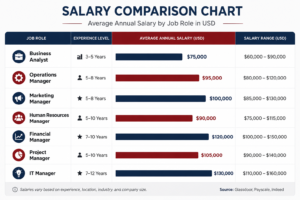
B.Ed Salary: What Can Graduates Expect?
Salary after B.Ed depends on several factors, including job role, location, employer, teaching subject, experience, qualifications, institution type, and professional skills. Therefore, there is no single salary figure applicable to every graduate.
Fresh graduates entering private schools may begin at an entry-level salary, while candidates joining established institutions or securing competitive teaching positions may receive better compensation. With experience, teachers can progress to senior teaching positions, subject coordinator roles, academic leadership, and administrative responsibilities.
Government teaching positions generally follow structured pay systems based on the relevant recruitment rules and applicable pay scales. Candidates should always check the latest official recruitment notification for current salary structures and eligibility requirements.
Additional qualifications can also influence long-term earning potential. Teachers who develop expertise in high-demand subjects, educational technology, curriculum design, leadership, or specialized education may have opportunities to move into higher-paying positions.
Factors That Influence B.Ed. Career Growth
A degree provides the foundation, but professional development plays a major role in career progression.
Subject Expertise
Strong knowledge of the subject being taught allows educators to explain complex concepts clearly and respond confidently to students’ questions.
Communication Skills
Teachers need excellent verbal and written communication skills. The ability to explain information in simple and engaging language is particularly valuable.
Digital Skills
Modern educators increasingly use digital classrooms, online assessments, learning management systems, presentations, and educational applications. Digital competence can therefore improve employability.
Classroom Experience
Practical teaching experience helps graduates develop confidence and understand real classroom challenges. Internships, teaching practice, tutoring, and educational volunteering can contribute to professional development.
Continuous Learning
Education is continuously evolving. Teachers who regularly update their knowledge, teaching methods, technological skills, and subject expertise can remain competitive throughout their careers.
Future Scope of B.Ed
The future of teaching is expanding beyond conventional classroom environments. Hybrid learning, online education, digital classrooms, personalized learning, educational technology, and alternative learning models are creating new professional possibilities.
Schools and educational organizations increasingly value educators who can combine subject expertise with technology and modern teaching practices. Teachers may therefore find opportunities across physical schools, online institutions, coaching organizations, education companies, training centers, and digital learning platforms.
The future scope also improves when graduates pursue higher qualifications. Depending on their career objectives, they may consider postgraduate education, specialized teacher-training courses, educational leadership programs, research-oriented qualifications, or subject-specific certifications.
An institution such as ED Global Academy can also be relevant to learners exploring broader educational opportunities and professional development within the evolving education ecosystem.
Higher Studies After B.Ed
Graduates who want to advance their academic or professional careers can consider several options after completing their degree.
A master’s degree in education can deepen knowledge of educational theory, research, curriculum development, and pedagogy. Candidates interested in educational leadership can explore programs related to educational administration and management.
Those interested in research and higher education may eventually pursue advanced research qualifications. Specialized certifications can also help teachers develop expertise in areas such as special education, educational technology, counseling, curriculum design, language teaching, or instructional development.
Choosing further education should depend on the individual’s career objective rather than simply collecting qualifications.
How to Build a Successful Career in Education
A successful education career requires a combination of academic qualifications, practical experience, communication skills, and professional adaptability.
We recommend that aspiring educators focus on developing strong subject knowledge while simultaneously learning effective teaching techniques. Practical classroom exposure should be treated as an important part of professional preparation rather than merely a degree requirement.
Technology should also become part of professional development. Familiarity with digital teaching tools, online learning environments, presentations, virtual classrooms, and educational resources can help teachers adapt to changing expectations.
Networking with educators, participating in workshops, attending seminars, creating teaching portfolios, and continuously improving professional skills can further strengthen career opportunities.
Role of Global Education in Modern Teaching Careers
Education is becoming increasingly interconnected. Students can access courses, teachers, resources, and academic communities across geographical boundaries. This development has increased the importance of globally relevant teaching practices and digital education skills.
A global education platform can connect learners with broader educational resources, professional programs, and learning opportunities. For educators, this changing environment creates opportunities to work with diverse learners and develop teaching approaches suitable for multicultural and digitally connected classrooms.
Is B.Ed. a Good Career Choice?
For individuals who enjoy teaching, mentoring, communication, and working with learners, a career in education can be professionally rewarding. The qualification provides access to teaching careers while also creating a foundation for progression into academic coordination, administration, curriculum development, instructional design, online education, and other education-related roles.
However, long-term success depends on more than obtaining the degree. Strong subject knowledge, classroom experience, technology skills, communication abilities, continuous professional development, and a commitment to student learning can make a significant difference.
Conclusion
A career in education can provide a combination of professional purpose, career stability, and opportunities for continuous growth. A B.Ed. program equips aspiring educators with the theoretical knowledge and practical skills required to understand learners, design effective lessons, manage classrooms, evaluate academic progress, and contribute meaningfully to educational institutions.
Career opportunities extend from school teaching to academic coordination, curriculum development, educational administration, online education, and instructional design. Salary prospects generally improve with experience, specialization, professional skills, and progression into senior roles.
Frequently Asked Questions (FAQs)
What is the duration of a B.Ed. program?
Most B.Ed. programs take one to two years to complete, depending on the country and university structure.
Is a B.Ed. program mandatory to become a teacher?
In most countries, a B.Ed. degree is required to teach in government schools and is highly preferred by private schools as well.
Can I pursue a B.Ed. program after any bachelor’s degree?
Yes, in most cases, students from any academic background (arts, science, or commerce) can apply for a B.Ed. program, though some specializations may have specific eligibility requirements.
What subjects can I specialize in during a B.Ed. program?
Common specializations include mathematics, science, English, social studies, and special education, among others.
What is the career scope after completing a B.Ed. program?
Graduates can work as school teachers, special education teachers, curriculum developers, educational counselors, corporate trainers, and school administrators.
