Many students enroll in a master’s program and feel lost by week two. The reason is rarely a lack of talent. It is usually missing groundwork.
If you are planning an online data science master’s, a few months of smart preparation can make the course feel manageable instead of stressful. This guide explains what to learn first, in plain language, so you can build essential skills and start your master’s journey with confidence.
Which skills should you build before starting?
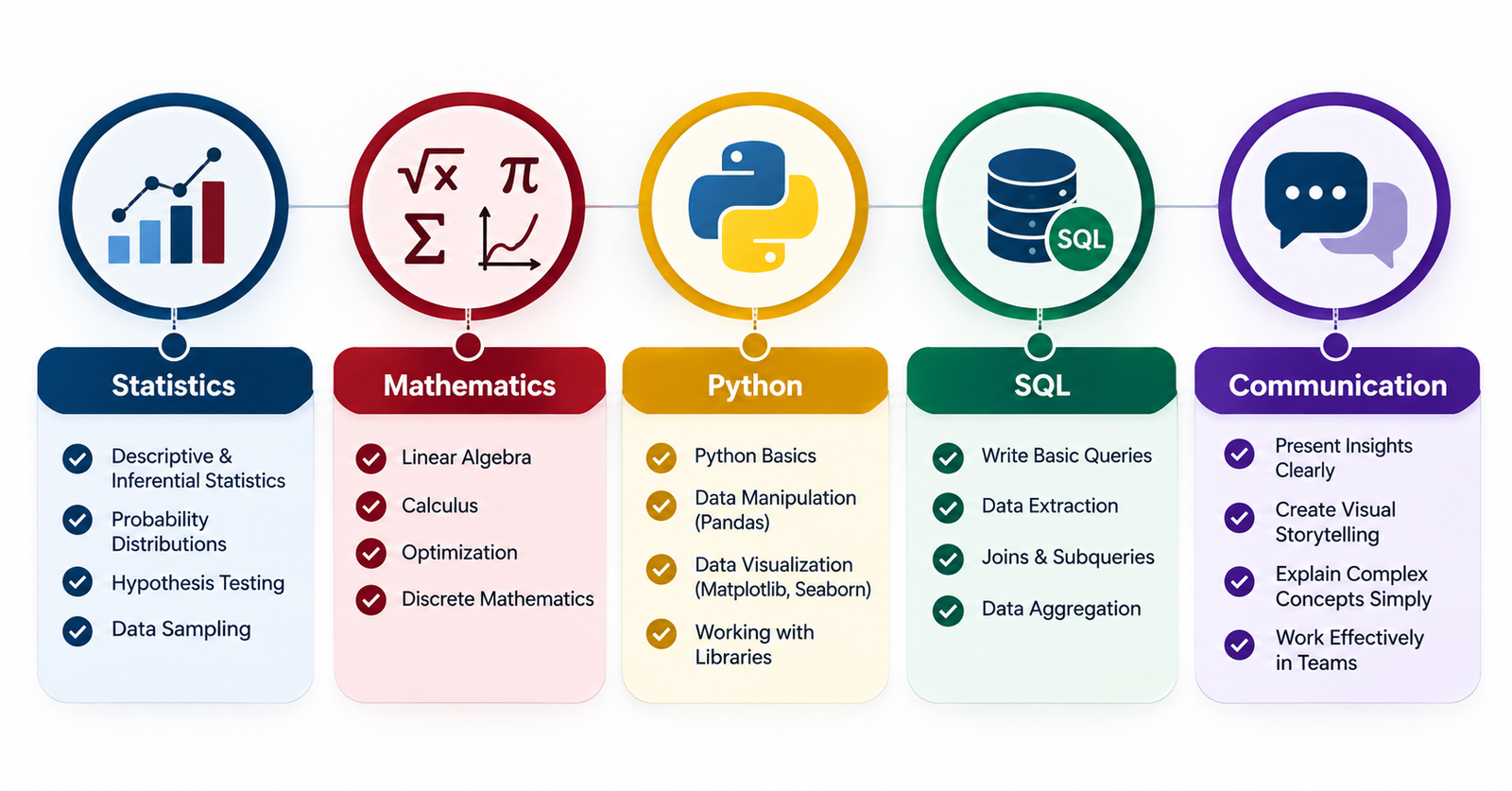
Build five skills first: basic statistics, school-level math, beginner Python, SQL for handling data, and clear communication. You do not need to master any of them. You only need enough comfort to follow lectures, finish assignments, and ask good questions from the first week.
Here is why each one matters:
- Statistics and math: They help you understand why a result is right or wrong.
- Python: It is the main tool used in most course assignments.
- SQL: It lets you pull data from databases.
- Communication: It helps you explain findings to people who are not technical.
Eligibility in short: Most universities ask for a bachelor’s degree. Many prefer science, engineering, math, commerce, or computer applications, but some accept other streams if you show comfort with numbers. Rules differ, so always read the program page carefully.
Duration in short: Most master’s programs run for one to two years. Part-time online options may take a little longer.
How much math and statistics do you really need?
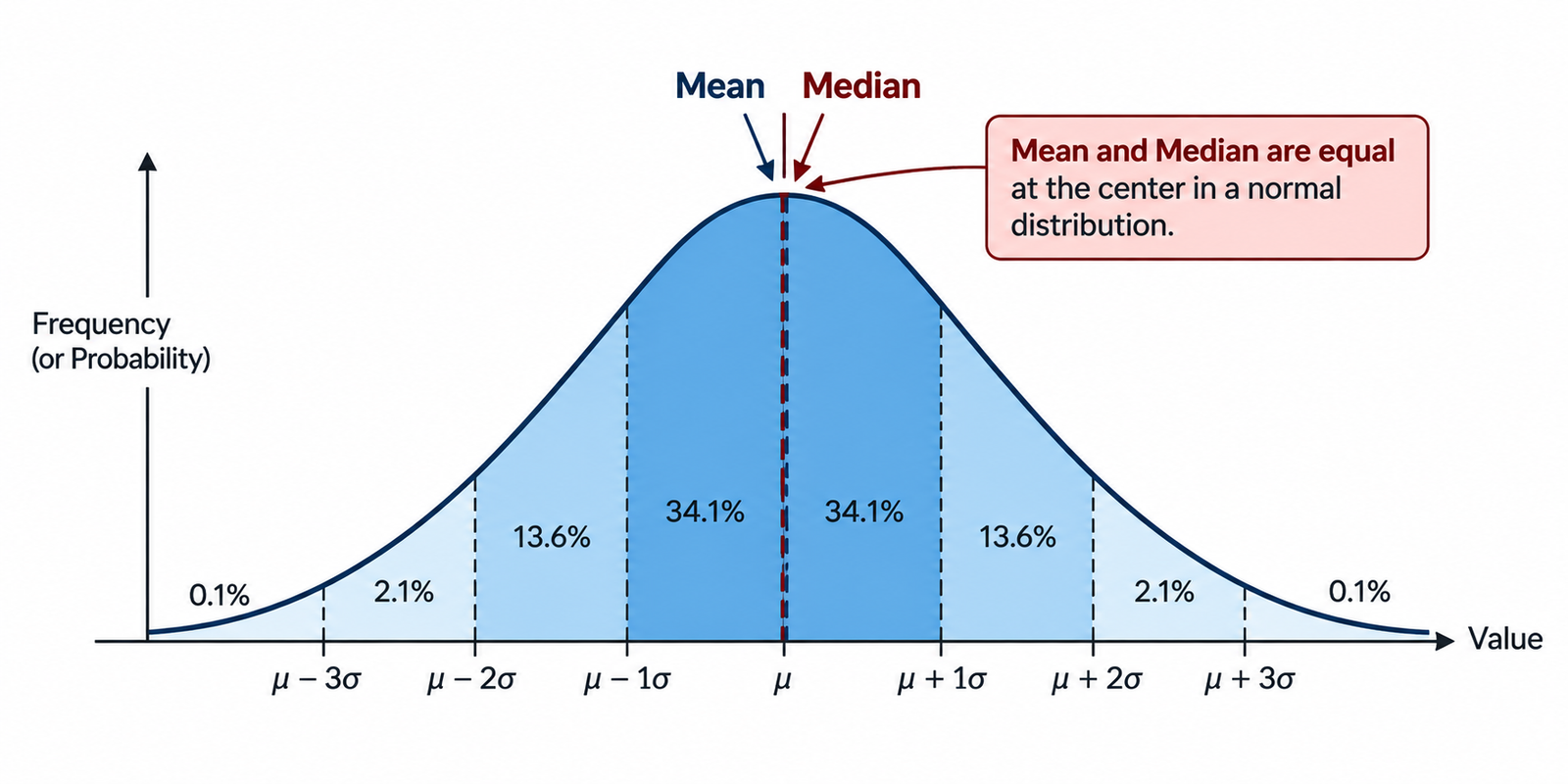
You need school-level algebra, basic probability, and core statistics ideas such as mean, median, standard deviation, and correlation. Advanced math can wait. These basics help you understand how a model works, not just how to run it.
Do not panic if math was never your favorite subject. Focus on these topics:
- Probability basics (chance, independent events)
- Common distributions, like the normal curve
- Hypothesis testing in simple terms
- Vectors and matrices (just the idea)
- The idea of slope from calculus
A simple example: if a shop owner says, “Customers who use coupons spend more,” statistics help you check whether that is true or just a coincidence. That habit of questioning numbers is the real skill.
Free video lessons and school textbooks are enough at this stage. You are building comfort, not chasing perfection.
Which programming skills should you learn first?
Start with Python. Learn variables, loops, functions, lists, and dictionaries, then move to libraries like Pandas and NumPy. R is also used, but Python appears in more job listings and course material. Aim to write small scripts on your own without copying every line.
A good beginner practice task is to take a simple spreadsheet of monthly expenses, read it with Python, and print the total for each category. It sounds small, but it teaches you the full cycle of reading, cleaning, and summarizing data.
Also get familiar with:
- Jupyter Notebook, where most assignments are written
- Basic Git to save and track your work
- Reading error messages without fear
Remember, even experienced professionals search for answers daily. Learning how to debug is part of the job.
Why do SQL and data handling matter so much?
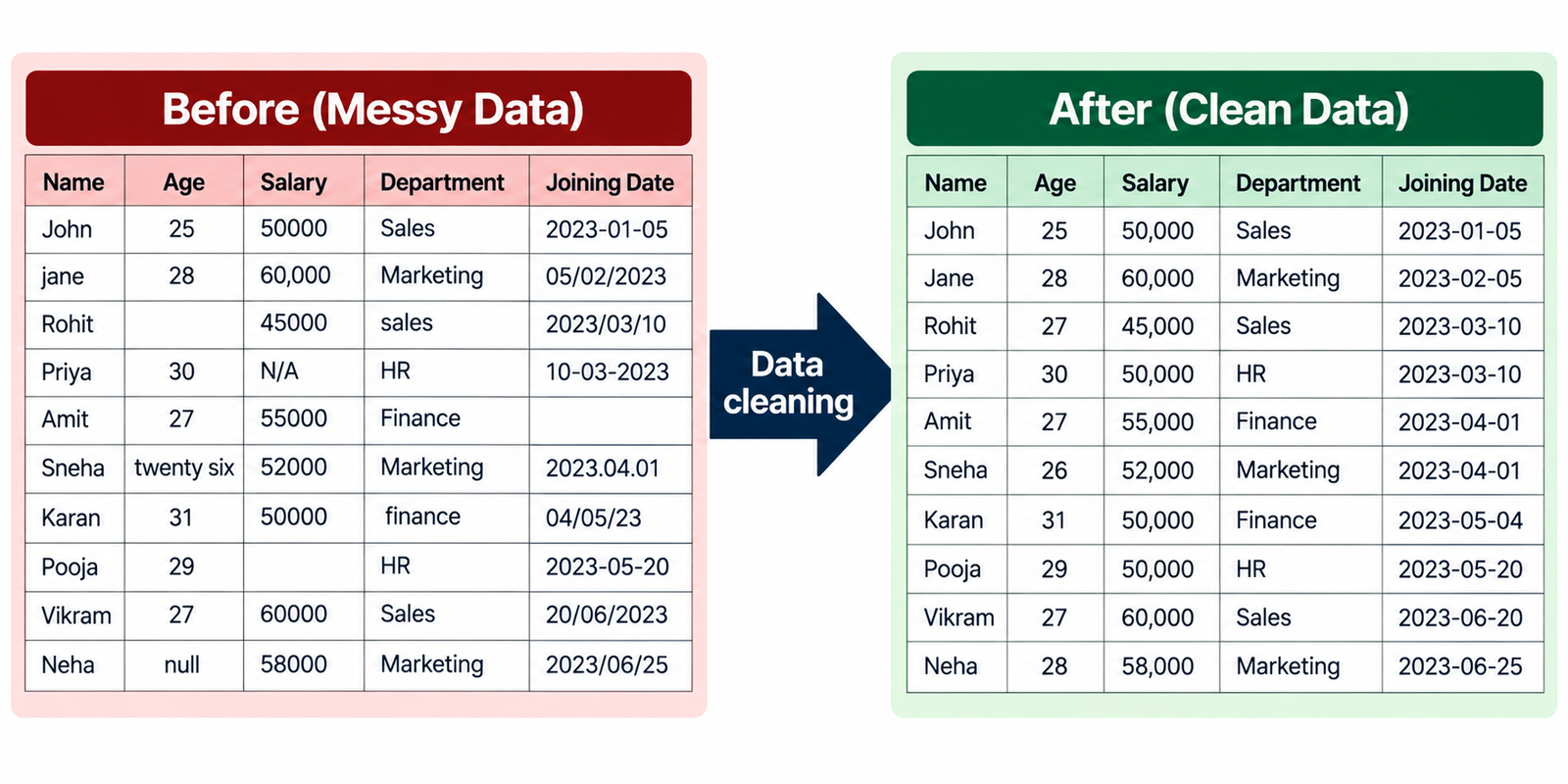
Real data is messy, and a large share of a data professional’s time goes into cleaning and organizing it. SQL helps you pull data from databases, while Excel and Pandas help you tidy it. Employers often test these practical skills before they ask about advanced models.
Spend time on these basics:
- SQL commands: SELECT, WHERE, GROUP BY, and JOIN
- Cleaning: Handling missing values, duplicates, and wrong formats
- Visualization: Making simple charts in Excel, Power BI, Tableau, or Matplotlib
Employers also expect you to ask, “Does this data even make sense?” before running any analysis. That careful thinking matters more than fancy tools.
Which soft skills help you finish an online program?
Time management, self-discipline, curiosity, and clear writing matter as much as technical skills. Online study has no fixed classroom routine, so you must plan your own week. Explaining results in simple words to non-technical people is also a skill employers value highly.
Try to build these habits early:
- Fix a weekly study schedule and treat it like a job
- Keep notes of what you learn in your own words
- Ask for help on forums or from mentors instead of staying stuck
- Practice writing a short summary of any analysis you do
If you are working while studying, be honest about your free hours. Six to eight steady hours a week is better than a burst of twenty hours followed by a month of silence.
What mistakes do students make before starting?
The biggest mistakes are skipping the basics, signing up for too many courses, copying code without understanding it, and ignoring the program’s workload. Some students also pick a course by brand name alone, without reading the syllabus. Avoiding these saves months of frustration.
Watch out for these common errors:
- Jumping straight to advanced topics. Skipping statistics makes later subjects feel confusing.
- Collecting certificates instead of practicing. One small project teaches more than five unfinished courses.
- Ignoring the syllabus. Check whether subjects match the career you want.
- Underestimating time. Assignments and projects take longer than lectures suggest.
- Believing in guaranteed jobs. No course can promise a job or salary. Your skills and portfolio decide the outcome.
Who should choose this path, and who should avoid it?
Choose it if you enjoy numbers, patterns, and problem-solving, and you can study regularly. Avoid it if you only want a quick, high-paying job or if you dislike both math and coding completely. This field rewards steady practice, not shortcuts.
This path may suit you if:
- You like asking, “Why did this happen?”
- You are comfortable learning new tools again and again
- You can stay consistent without daily reminders
You may want to think twice if:
- You expect a job immediately after enrolling
- You are not ready to practice coding every week
- You cannot spare a few hours each week
Career options: In the private sector, common roles include data analyst, business analyst, data scientist, and machine learning engineer. Banking, healthcare, retail, and logistics all hire for data skills. In government, opportunities exist in statistics departments, research bodies, and public sector analytics teams, though recruitment rules and exams vary.
Salary: It depends on your city, skills, experience, and employer. Freshers usually start with analyst-level roles and grow as their skills improve.
Higher studies: Some students continue to a PhD or research programs after their master’s.
How can you prepare in 90 days?
Follow a simple 90-day plan: spend month one on math and statistics, month two on Python, and month three on SQL plus one small project. Study six to eight hours a week. Small, regular practice works better than cramming the night before.
Here are the steps:
- Days 1–30: Revise school math and learn basic statistics. Practice with small numbers of problems.
- Days 31–60: Learn Python basics, then try Pandas on a simple dataset.
- Days 61–80: Learn SQL and practice writing queries on sample databases.
- Days 81–90: Build one mini project, such as analyzing a public dataset, and write a one-page summary.
- Before you enroll: Compare fees, syllabi, faculty, project work, and support for online learners.
Key Takeaways
- Start with basic statistics, school-level math, Python, and SQL.
- You only need comfort, not mastery, before the course begins.
- Clean data and clear communication matter as much as models.
- Avoid skipping basics or copying code without understanding it.
- A 90-day plan with one small project builds real confidence.
- No course guarantees jobs, so focus on skills and practice.
Conclusion
Starting an online data science master’s is easier when you walk in prepared. You do not need to be a genius. You need basic math, simple Python, SQL, and the habit of studying regularly.
Take your time, build one skill at a time, and compare programs honestly before you pay. If you want guidance on course options, ED Global Academy, a global education platform, can be one of the places to explore and compare. Whatever you choose, let your own interest and practice lead the decision.
FAQs
How long does a data science master’s take?
Usually one to two years. Part-time online options can take a bit longer, depending on the university.
What are the fees?
Fees vary widely by university and country. Check the total cost, including exam and project fees, before applying.
Is it difficult for beginners?
It can feel hard at first, mainly because of statistics and coding. With basic preparation and regular practice, most students manage well.
Can I get a job after completing it?
It can open doors to analyst and data roles, but jobs are never guaranteed. Projects, practical skills, and interview preparation matter a lot.
What salary can I expect?
It depends on your location, skills, and experience. Fresher salaries are usually modest and grow as you gain hands-on skills.
