
An honorary professorship is one of the most respected forms of academic recognition a professional can receive. It’s usually given to people who have made a real difference in their field, whether that’s business, healthcare, technology, education, or the arts, but who never went through a traditional academic path to earn the title.
If you’ve spent years building expertise, mentoring others, or contributing to your industry, an honorary professorship can be a meaningful way to have that work acknowledged. It’s often mentioned alongside an honorary doctorate, since both are non-academic honors awarded for real-world achievement rather than coursework or exams.
This guide walks through what an honorary professorship actually is, who typically qualifies, how the process works in the USA, and what to expect if you decide to pursue one.
What Is an Honorary Professorship?
An honorary professorship is a title given by a university, institute, or educational organization to recognize someone’s outstanding contribution to a field. Unlike a regular professorship, it doesn’t require teaching duties, a doctoral degree, or years of academic publishing.
It’s a symbolic title, but it carries real weight. It signals that an institution values your experience enough to associate its name with yours.
People who receive this honor often include:
- Business leaders and entrepreneurs
- Authors and researchers outside traditional academia
- Nonprofit founders and social impact leaders
- Healthcare professionals and consultants
- Artists, musicians, and public speakers
- Government officials and policy experts

Honorary Professorship vs. Honorary Doctorate
People often confuse these two, so it helps to see the difference side by side.
| Feature | Honorary Professorship | Honorary Doctorate |
| Purpose | Recognizes teaching-adjacent expertise or field leadership | Recognizes lifetime achievement or major contribution |
| Level | Title-based recognition | Highest academic honor |
| Common Recipients | Industry experts, mentors, consultants | Public figures, philanthropists, executives |
| Requirements | Proven expertise, professional standing | Significant impact, nomination, review |
Both are considered honorary rather than earned degrees. Neither one requires enrolling in classes or completing exams, which is why some people search for an online honorary doctorate or a similar recognition that fits their schedule and career instead of going back to school full-time.

Who Typically Qualifies for an Honorary Professorship in the USA?
There’s no single formula, but most institutions look for a combination of the following:
1. Demonstrated Expertise
You should have a strong track record in your field, whether through published work, industry leadership, or measurable impact on your community or profession.
2. Professional Recognition
Awards, media coverage, leadership roles, or public recognition from peers all strengthen a nomination.
3. Contribution to Education or Society
Institutions want to know that your work has helped others, whether through mentorship, research, innovation, or community service.
4. A Clear Body of Work
This can include books, patents, business achievements, public speaking, or long-term consulting work in your industry.
Step-by-Step: How to Get an Honorary Professorship
Step 1: Choose the Right Institution
Look for universities, academies, or global education platforms that offer honorary titles based on professional merit rather than academic credentials. Not every institution offers this recognition, so research is important.
Step 2: Prepare Your Professional Portfolio
Put together a document that highlights your career achievements, contributions, published work, awards, and any leadership roles. This is the foundation of your nomination.
Step 3: Submit a Nomination or Application
Most institutions require a formal submission. This usually includes your resume or CV, a statement of purpose, and supporting documents like recommendation letters or media features.
Step 4: Undergo Review
A review committee evaluates your contributions against the institution’s criteria. This process can take a few weeks to a few months, depending on the organization.
Step 5: Receive Your Title and Certificate
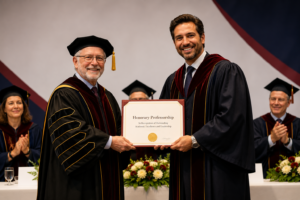
If approved, you’ll typically receive an official certificate or credential, along with the honorary title you can use professionally. Some institutions also issue a formal honorary PhD certificate alongside the professorship, depending on the honor being awarded.
Why People Pursue Honorary Titles
There are several practical reasons professionals seek out honorary recognition:
- Career credibility It adds weight to a resume, LinkedIn profile, or speaker bio.
- Public trust Clients and audiences often respond well to recognized titles.
- Personal milestone For many, it’s recognition of years of hard work that never came with a formal degree.
- Networking opportunities Honorary title holders are often invited to conferences, panels, and academic events.
Some professionals choose to pursue an honorary PhD degree for similar reasons, especially when they’ve built significant expertise outside a traditional university setting.
Things to Watch Out For
Because honorary titles are unregulated compared to formal degrees, it’s worth being careful. Look for:
- Institutions that are transparent about their review process
- Clear information about who sits on the evaluation committee
- Reasonable timelines (be cautious of instant approvals)
- A genuine track record of past honorees
A reputable organization will always be upfront about what the honorary title represents and won’t claim it’s equivalent to an earned academic degree.
Where to Start Your Application
If you’re exploring this path, ED Global Academy is a global education platform that helps professionals get recognized for their real-world contributions through honorary academic titles. They work with individuals across industries who want their expertise formally acknowledged, without requiring a traditional academic route.
Conclusion
An honorary professorship is a meaningful way to have your professional journey recognized, especially if your path didn’t follow a traditional academic route. Whether you’re drawn to this title or considering something like an online honorary doctorate, the key is choosing a credible institution and understanding exactly what the recognition represents.
If you’re ready to explore your options, researching platforms that specialize in honorary academic recognition, like ED Global Academy, is a good place to start.
FAQs
Is an honorary professorship the same as a real professorship?
No. An honorary professorship is a title of recognition, not a teaching position with academic obligations.
Do I need a college degree to get an honorary professorship?
Not necessarily. Many recipients are recognized for professional achievement rather than formal education.
How long does the process take?
It varies by institution, but most reviews take a few weeks to a few months.
Can I use the title professionally?
Yes, most people list it on their resume, website, or professional bio once granted.
Is an honorary doctorate more prestigious than an honorary professorship?
Generally yes, an honorary doctorate is considered the higher-level academic honor.
