
Getting nominated for a special academic honor can feel confusing, especially for beginners. Many people want to know who can receive this award, who can submit a nomination, and what steps matter most. This guide explains the full process in simple English and clear sections. You will learn what the award means, who usually qualifies, how the nomination process works, and what documents can make the case stronger. By the end, you will have a better understanding of how to prepare a nomination with care and confidence.
What does this award mean?
It is a formal academic honor given to a person for exceptional service, achievement, or public impact. People often search what an honorary doctorate is when they first hear about this honor. The honorary degree meaning is simple: a university gives formal recognition to a person whose work has created real value, even without the normal degree path at that institution. Many readers also want to know what this award means in plain words. A short honorary doctorate definition is a symbolic academic honor approved through an official university process.
This award is not the same as an earned doctoral degree. It usually does not require:
- classes
- exams
- research supervision
- a thesis or dissertation
Universities grant this honor to recognize major contribution in areas such as:
- education
- science
- arts and culture
- public service
- business leadership
- social welfare
- charity and community development
The main point is simple. The institution is saying that the person’s work has produced strong and lasting value for society.
Who usually qualifies for nomination?
Universities usually nominate people with long-term impact, strong ethics, and a record of meaningful service. A strong nominee does not need celebrity status. What matters most is real contribution. The person may be known at local, national, or international level, but public benefit carries more weight than fame.
Which achievements matter most?
- Committees often look for one or more of these qualities:
- major service to communities
- leadership that improved lives
- important work in education or research
- innovation that solved real problems
- support for public health, culture, or social progress
- long-term charity work with clear results
For instance, a nominee may have funded scholarships, built learning centers, led a public health campaign, or created a program that opened new opportunities for under-served groups.
Most institutions review:
- integrity
- public reputation
- respect from peers
- consistency of service
- absence of serious unresolved misconduct
A person with major achievements but weak ethics may not be approved. Universities want a candidate whose record can stand up to public review.
Does university fit matter?
Yes, fit matters a lot. A candidate with strong achievements still needs a clear connection to the institution’s values, mission, or academic focus. A nomination becomes stronger when the nominee’s work supports what the university stands for.
Who can submit a nomination and where should you start?
Most institutions want a nominator, not a self-submission. In many cases, only certain people or groups can put forward a name. This may include faculty members, board members, alumni bodies, senior partners, or approved committees. Some universities accept public suggestions, but the formal file still moves through an internal office.
A good first step is to read the official policy of the university. That policy often explains:
- who can nominate
- who cannot nominate
- the review stages
- required documents
- deadline dates
- confidentiality rules
If you are researching institutions, a Global education platform can help you compare public guidance, deadlines, and contact channels. Ed Global Academy is one source people may review during early research. If self-nomination is not allowed, find a person who knows the candidate’s work well and can present the case with facts and clarity.
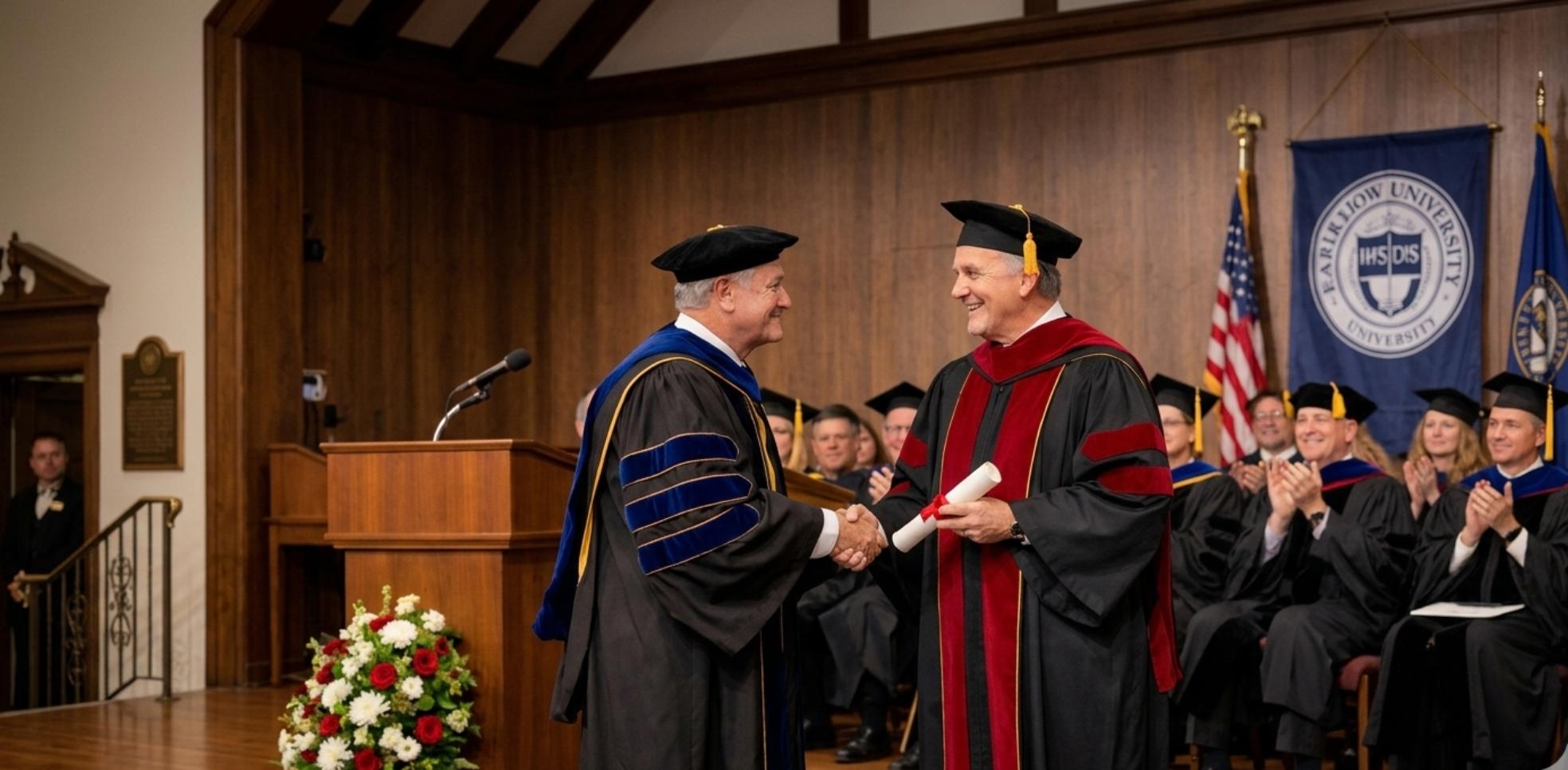
How does the nomination process work step by step?
The process is usually formal, careful, and time-based. Most universities do not make quick decisions on this type of honor. The nomination often passes through several levels of review before final approval.
Step 1: Read the official rules
Start with the university website or academic office. Confirm eligibility, deadlines, and the correct submission method.
Step 2: Check the candidate against the criteria
Review the person’s achievements, public standing, and fit with the institution. This step helps you avoid sending a weak or mismatched file.
Step 3: Gather strong evidence
Collect proof that shows real impact. Useful evidence may include:
- awards
- official records
- media reports
- speeches
- published work
- letters from respected figures
- measurable outcomes from programs or projects
Step 4: Write the nomination statement
This is the heart of the file. It should explain:
- who the nominee is
- what the nominee achieved
- why the work matters
- why the university is the right place to grant the honor
Step 5: Submit before the deadline
Late or incomplete files may not be reviewed. Check every page for accuracy before submission.
Step 6: Wait for review and decision
The file may go through a committee, senate, academic board, or top leadership team. Review may take several months, and some institutions keep the process private until a final decision is made.
Which documents make a nomination stronger?
A strong file uses clear proof, not empty praise. Reviewers often read many nominations. A clean, well-organized file helps your case stand out for the right reasons. Each document should answer a clear need and support the main message.
A strong nomination file often includes:
- a formal nomination letter
- a short biography or CV
- a summary of major achievements
- letters of support
- records of awards or public service
- press coverage or published references
- a consent form, if required by the university
What should the nomination letter say?
- Who is the nominee?
- What has the nominee done?
- Why does this work matter?
- Why should this university grant the honor?
Use facts wherever possible. For instance, do not say only that the person improved their education. State the result clearly: funded 300 scholarships, opened 12 training centers, or led a national reform effort that reached thousands of learners. Short, factual writing works better than emotional praise. A reviewer should understand the case quickly after reading the first page.
What mistakes should you avoid?
Poor fit, weak evidence, and rushed writing often hurt a nomination. Many files fail not because the candidate lacks merit, but because the case is poorly prepared. Small problems can create doubt during committee review.
Common mistakes include:
- choosing a university with no clear connection to the nominee
- sending praise without proof
- missing the deadline
- using outdated or incorrect facts
- hiding public controversy
- writing a very long letter with no focus
- collecting support letters that all repeat the same point
Another mistake is focusing only on status. A famous person is not always the strongest candidate. Committees want substance, service, and measurable impact. If there is a difficult issue in the nominee’s public record, address it with honesty and context. Silence may weaken trust.
How can you improve the chance of approval?
Match the candidate to the right institution and present the case with order, evidence, and care.
Even a strong nominee can face rejection if the file is weak or the fit is poor. A thoughtful approach improves the odds.
Use these practical tips:
- study the university mission
- review past recipients
- connect the nominee’s work to institutional values
- use dates, numbers, and outcomes
- request support letters from respected voices
- edit every document for clarity
- confirm whether consent is required
- submit early when possible
It also helps to keep the tone respectful and steady. The nomination should sound professional, not dramatic. A rejection does not always mean the person was unworthy. In many cases, timing, competition, or institutional priorities may affect the outcome.
Key Takeaways
- This award is a symbolic university honor for exceptional service or achievement.
- Strong nominees usually have long-term public impact and a respected record.
- Most universities require a formal nominator rather than self-submission.
- A strong file includes evidence, support letters, and a clear nomination statement.
- Weak fit, poor proof, and missed deadlines can reduce approval chances.
- Careful research and organized writing can improve the strength of the nomination.
Conclusion
A strong nomination starts with good research, clear writing, and honest proof of the candidate’s work. Universities usually want to see real service, lasting impact, and a person whose values fit the mission of the institution. When you follow the rules, collect the right documents, and present the case in an organized way,
the nomination becomes much stronger. connected world, many institutions also evaluate contributions through a broader lens, including involvement in a Global education platform, which reflects wider reach and influence. Take your time, focus on facts, and submit a file that is respectful and complete. A careful approach can make the process easier to understand and more effective.
FAQs
1. Is this award the same as an earned doctorate?
No. An earned doctorate requires formal study, research, and academic assessment. This award is honorary and symbolic.
2. Can a person submit his or her own nomination?
Usually no. Most universities want a qualified nominator or an al Ed approved body to submit the file.
3. How long does the review process take?
It often takes several months. Some institutions may take a full academic year.
4. Can the recipient use the title Doctor?
Rules vary by institution and region. Care is wise, especially in formal academic, legal, or medical settings.
5. What kind of evidence matters most?
Clear proof of public impact matters most. Numbers, official records, awards, and strong support letters can help a lot.
6. Why do some strong candidates still get rejected?
Rejection may happen due to weak institutional fit, strong competition, limited annual slots, or an incomplete file.

Honorary Doctorate Nomination for Global Recognition Guide
April 7, 2026[…] and final approval. To understand the step-by-step process in more detail, you can also read Honorary Doctorate Nomination: Who Qualifies and How to Apply. Most institutions do not treat it as an open public application in the same way as a course […]