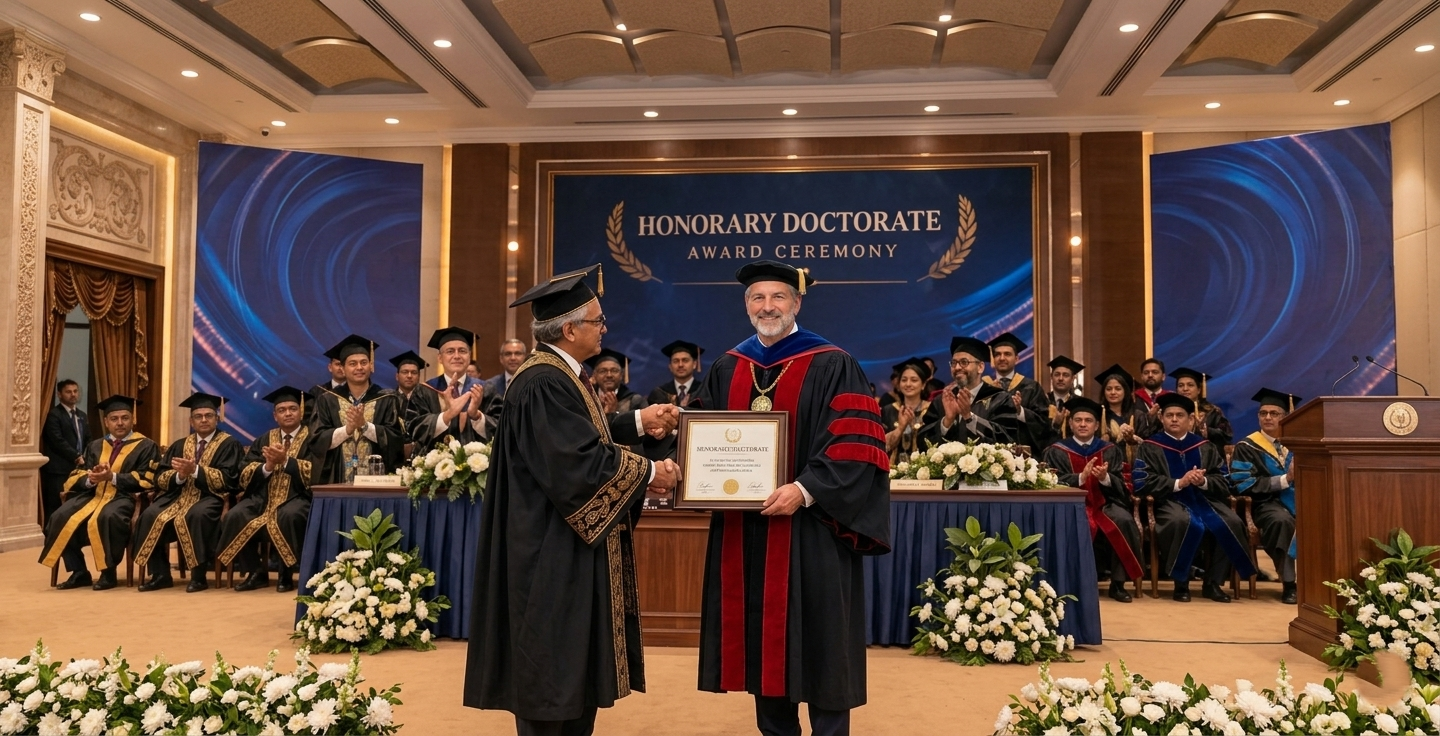
Receiving an honorary degree feels like a major achievement, but does it give you the right to use “Dr.” before your name? Many recipients find themselves confused about professional titles, public use, and ethical boundaries. This guide will walk you through exactly when and where you can use the title, what the rules are, and how to avoid embarrassing mistakes. No, you should not use “Dr.” with an honorary doctorate in professional or medical contexts. Honorary degrees recognize contributions, not academic qualifications. While legally permitted in some regions, ethical standards across universities and professional organizations discourage using the title. Always clarify it’s honorary when mentioned.
Can You Legally Use “Dr.” With an Honorary Doctorate?
Legally, it depends on your country, but ethically, most institutions say no. Laws vary by region. Some countries have no restrictions, while others regulate professional title use strictly. However, universities that grant honorary degrees typically advise against using “Dr.” in professional settings. Medical and academic communities view it as misleading.
Where it might be allowed:
- Personal correspondence
- Social events (with context)
- Creative or entertainment fields
Where it’s discouraged or prohibited:
- Medical settings
- Academic publications
- Professional business cards
- Legal documents
- Any context implying earned credentials
What Do Universities and Institutions Say?
Most universities explicitly state that honorary degree recipients should not use the title “Dr.” Harvard, Oxford, Cambridge, and most accredited institutions include disclaimers when awarding these honors. They emphasize the ceremonial nature and request recipients avoid professional use of the title. This protects academic integrity and prevents public confusion.
Leading global education platforms and accreditation bodies support this standard to maintain trust in educational credentials.
- Universities provide written guidance with the degree
- Ethical codes discourage title misuse
- Academic communities value transparency
- Misrepresentation can damage reputations
How to Mention Your Honorary Doctorate Correctly
Always clarify the honorary nature when referencing your degree. The right approach is transparency. You can mention the honor in biographies, introductions, and resumes, but make it clear it’s not an earned degree. This shows respect for both the honor and those who earned doctoral degrees through years of study.
Correct examples:
- “Recipient of an honorary doctorate from Yale University”
- “Awarded an honorary Doctor of Humane Letters”
- “Honored with a ceremonial doctorate for community service”
Incorrect examples:
- “Dr. John Smith” (on business cards without context)
- Using the title in medical or academic settings
- Implying you have earned credentials
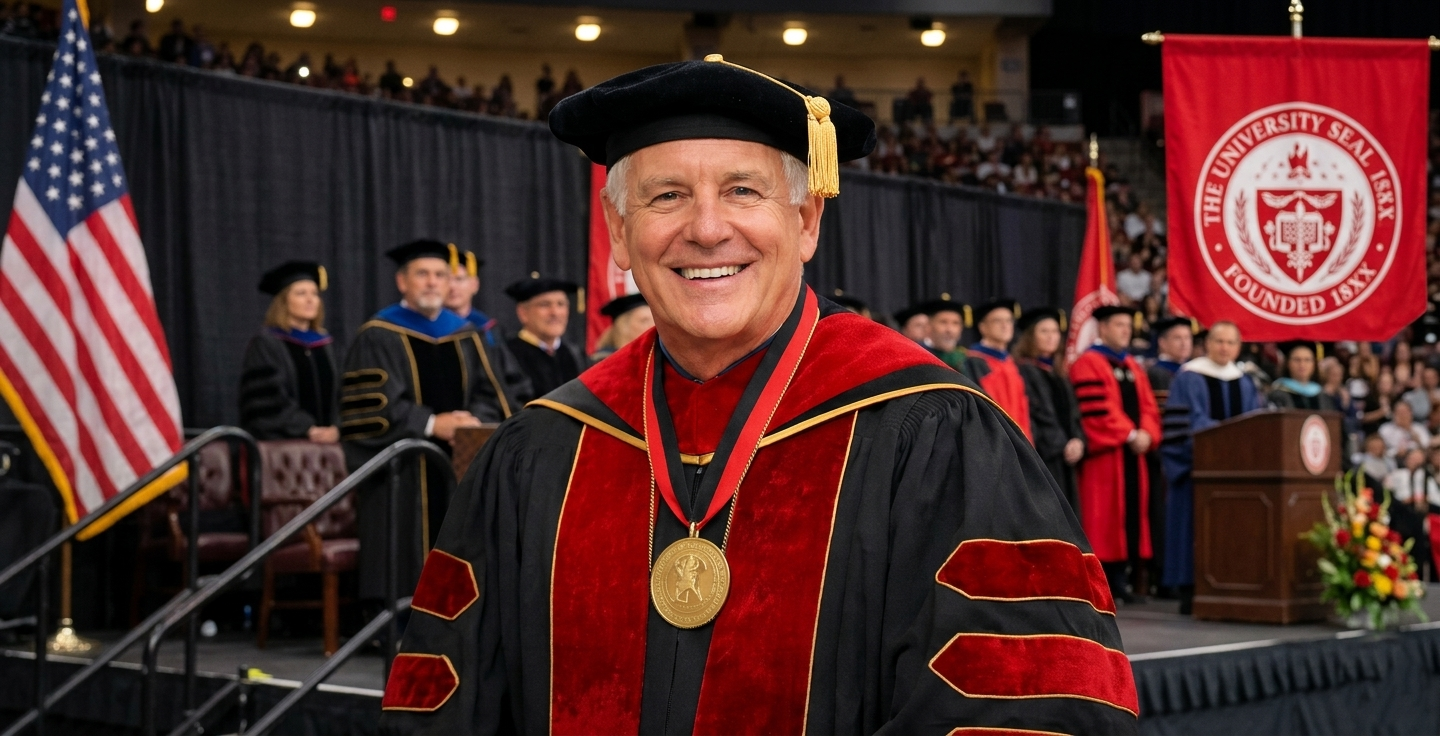
Step-by-Step Guide: How to Handle Your Honorary Doctorate Title
Follow these steps to use your honor appropriately and ethically.
Step 1: Read the certificate and accompanying documentation from the university. Most include usage guidelines.
Step 2: Update your biography and professional profiles to mention the honor with full context (institution, year, reason).
Step 3: Avoid adding “Dr.” to business cards, email signatures, or professional documents unless clearly marked as honorary.
Step 4: When introduced at events, request the host specify it’s an honorary degree.
Step 5: If working in medicine, law, or academia, consult your professional regulatory body about title use.
Step 6: Use the honor to open doors and conversations, not to mislead about qualifications.
Real Example: How Public Figures Handle Honorary Doctorates
Oprah Winfrey received multiple honorary doctorates from Harvard, Duke, and other prestigious institutions. She mentions these honors in biographies and public speeches but does not use “Dr. Oprah Winfrey” professionally. Her approach respects the distinction between honorary recognition and earned academic credentials.
This practice has become a model for public figures on Global education platforms and media outlets. Other examples include Taylor Swift, Ben Affleck, and Meryl Streep, who acknowledge their honors without adopting the title professionally.
Common Mistakes to Avoid
Many recipients unintentionally misuse their honorary degrees. Here’s what to watch out for.
Mistake 1: Using “Dr.” on LinkedIn or business materials without context. This misleads employers and clients.
Mistake 2: Assuming honorary and earned doctorates are equal. They represent different achievements.
Mistake 3: Using the title in regulated professions (medicine, law, academia) where credentials matter legally.
Mistake 4: Failing to disclose the honorary nature when asked about education.
Mistake 5: Comparing your honor to someone’s PhD, MD, or other earned degree.
Comparison Table: Honorary Doctorate vs. Earned Doctorate
| Feature | Honorary Doctorate | Earned Doctorate (PhD, MD, etc.) |
| Coursework | None | 4–8 years of study |
| Research | Not required | Original research/dissertation |
| Examination | None | Comprehensive exams |
| Professional use of “Dr.” | Discouraged | Fully acceptable |
| Purpose | Recognize contributions | Certify expertise |
| Academic credentials | Ceremonial only | Formal qualification |
When Might Using “Dr.” Be Acceptable?
In rare, clearly defined contexts, using the title may be appropriate. Some entertainment, religious, or creative professionals use honorary titles with full disclosure. If your field values ceremonial honors and your audience understands the distinction, limited use may be acceptable. Always add context and never misrepresent your qualifications.
Acceptable contexts:
- Religious ceremonies (honorary divinity degrees)
- Entertainment industry bios (with “honorary” noted)
- Personal social settings
- Autobiographies and memoirs
What Are the Ethical and Legal Risks?
Misusing an honorary degree can harm your reputation and career. Claiming credentials you haven’t earned violates ethical standards in most professions. In regulated fields like healthcare or law, it may constitute fraud. Universities may revoke honors if recipients misuse them. Public trust and professional credibility suffer when titles mislead.
- Potential legal consequences in regulated industries
- Loss of professional credibility
- University may revoke the honor
- Damage to personal reputation
- Violates ethical codes in academia and medicine
Key Takeaways
- Honorary doctorates recognize contributions, not academic achievement
- You should not use “Dr.” professionally with an honorary degree
- Always clarify the honorary nature when mentioning the degree
- Universities and global education platforms discourage title misuse
- Transparency protects your reputation and respects earned credentials
- Check professional regulations if you work in medicine, law, or academia
An honorary doctorate is a ceremonial recognition, not an earned academic credential. While legally gray in some areas, ethical standards strongly discourage using “Dr.” professionally. Always clarify the honorary nature to maintain integrity. Universities and professional bodies worldwide recommend transparency when referencing these honors to avoid confusion with earned degrees.
Conclusion
An honorary doctorate is a meaningful recognition of your contributions and achievements. It deserves celebration and acknowledgment in your professional story. However, using “Dr.” without context crosses ethical boundaries that protect academic integrity and public trust. By being transparent about the ceremonial nature of your honor, you respect both the institution that recognized you and the scholars who earned their titles through years of rigorous work. Wear your honor proudly, but always with honesty.
FAQs
1. Can I put an honorary doctorate on my resume?
Yes, but list it separately under “Honors and Awards,” not under “Education.” Always specify it’s honorary and include the granting institution and year.
2. Will people think I’m lying if I use “Dr.” with an honorary degree?
In professional contexts, yes. Most people assume “Dr.” indicates earned credentials. Without clarification, you risk appearing dishonest or misleading.
3. Do honorary doctorates expire or get revoked?
They don’t expire, but universities can revoke them if recipients engage in serious misconduct or misuse the honor inappropriately.
4. Can I use my honorary doctorate to apply for jobs requiring a PhD?
No. Honorary degrees don’t meet educational requirements for positions requiring earned doctoral credentials. Employers verify academic qualifications.
5. Are honorary doctorates recognized internationally?
Recognition varies. Prestigious institutions carry more weight, but they’re ceremonial worldwide and don’t substitute for academic degrees in professional contexts.
6. What’s the difference between honorary and earned doctorates in terms of respect?
Both deserve respect but represent different achievements. Earned doctorates certify expertise through rigorous study; honorary degrees celebrate contributions to society or specific fields.
